Reading an axis: what “high-growth corridor” should mean before you pay for it
Every seller calls their axis high-growth. A handful of observable signals separate an axis that is genuinely re-rating from one that is being marketed as though it were.
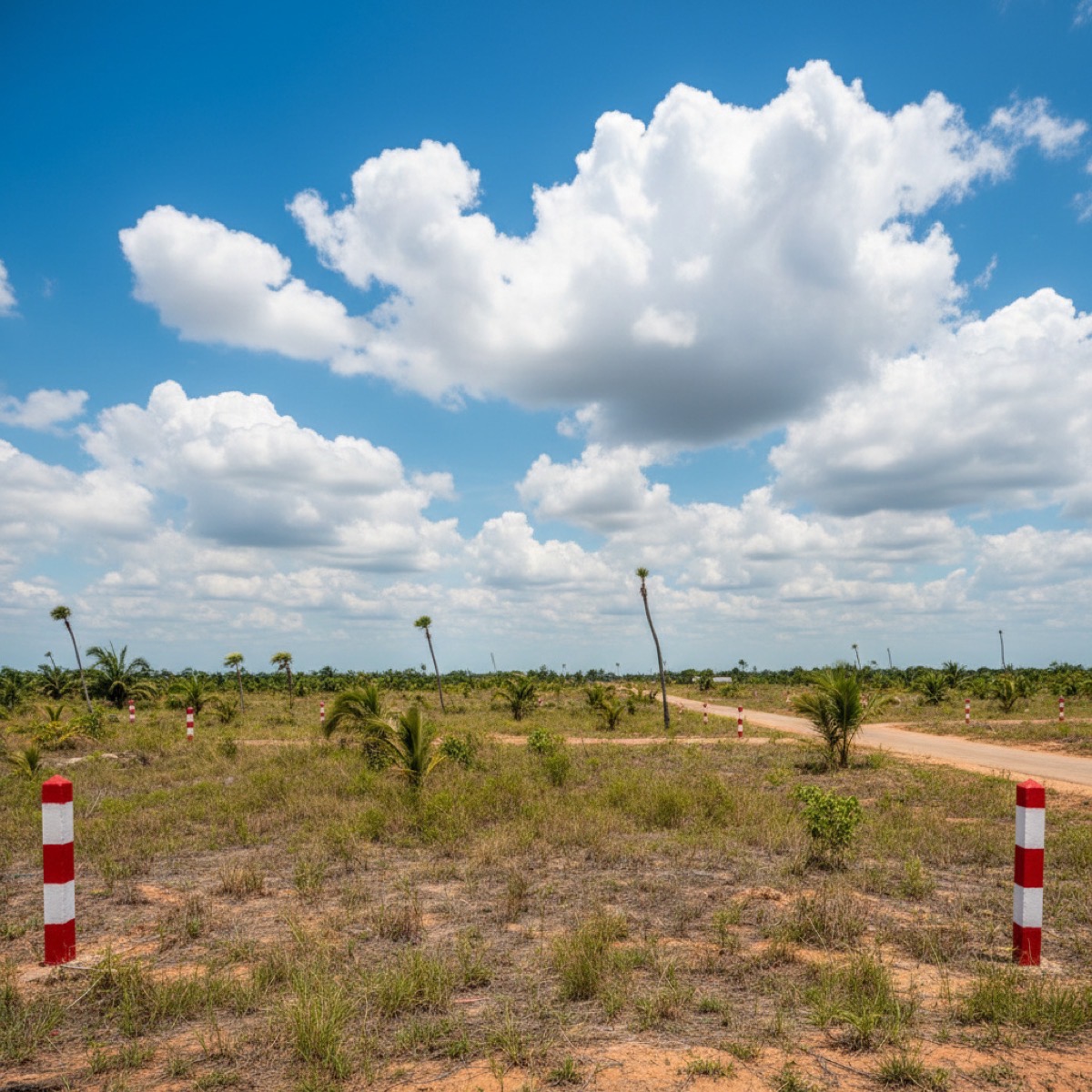
“High-growth corridor” is a claim, not a fact. These are the things that make it checkable.
Jobs arriving, not just roads
Infrastructure that carries people to work re-rates land. Infrastructure that carries people past it does not, at least not as quickly.
Building, not just buying
Count the roofs. An axis where plots change hands repeatedly without anything being built is trading on expectation; an axis with construction underway has demand with a deadline attached.
Services catching up
Power, drainage and water arrive after the first wave of buyers and before the second. Their arrival is usually the clearest signal that an entry price is about to stop being an entry price.
Document quality improving
As an axis matures, the proportion of listings with clean, registrable title rises. When you find yourself being offered weaker documents at higher prices, the axis is being sold harder than it is growing.
More from Landstake Property Blog
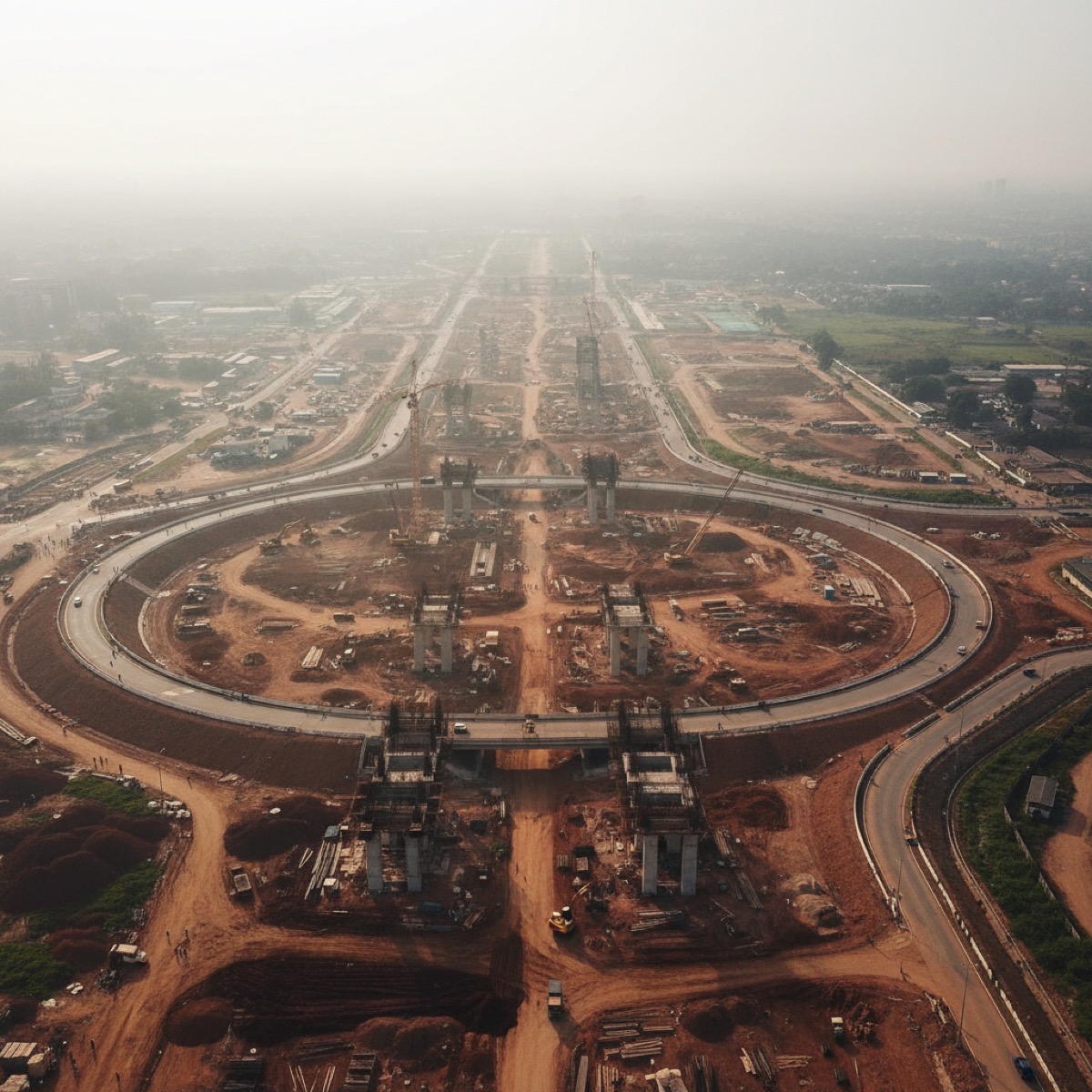
Coastal highway works pull buyer attention further east
Construction along the Lagos–Calabar Coastal Highway continues to shift where buyers look first. Improved connectivity has historically been one of the strongest drivers of land appreciation in Lagos.
Read the story
What digitised registry records mean for your title search
As more Lagos State Land Registry records move online, searches that once took weeks can be confirmed faster — but the document you are shown still has to match the survey on the ground.
Read the story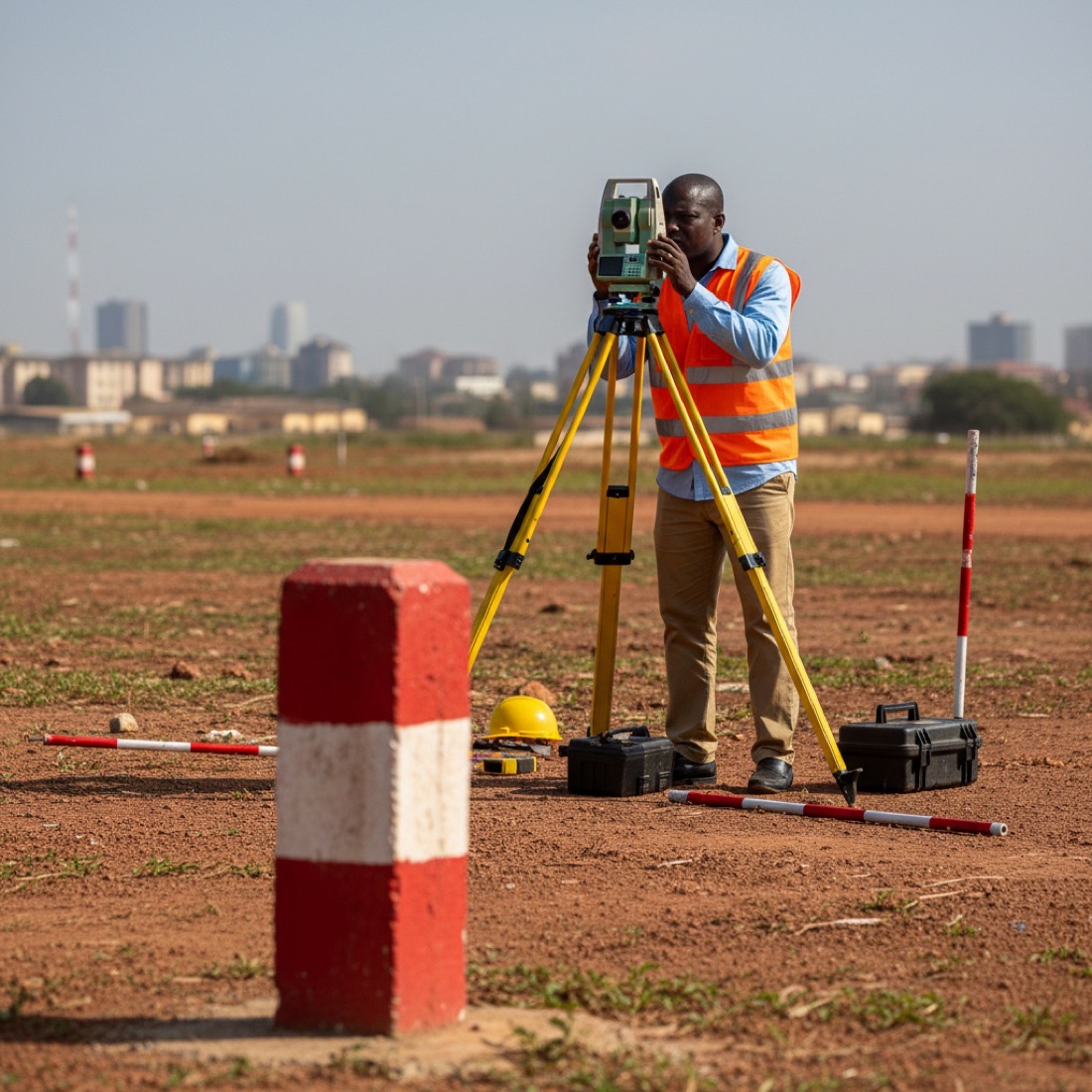
C of O, Governor’s Consent, Gazette: what each one actually gives you
Four title types turn up again and again in Lagos land deals. They are not interchangeable, and the difference decides what you can do with the land after you own it.
Read the story